



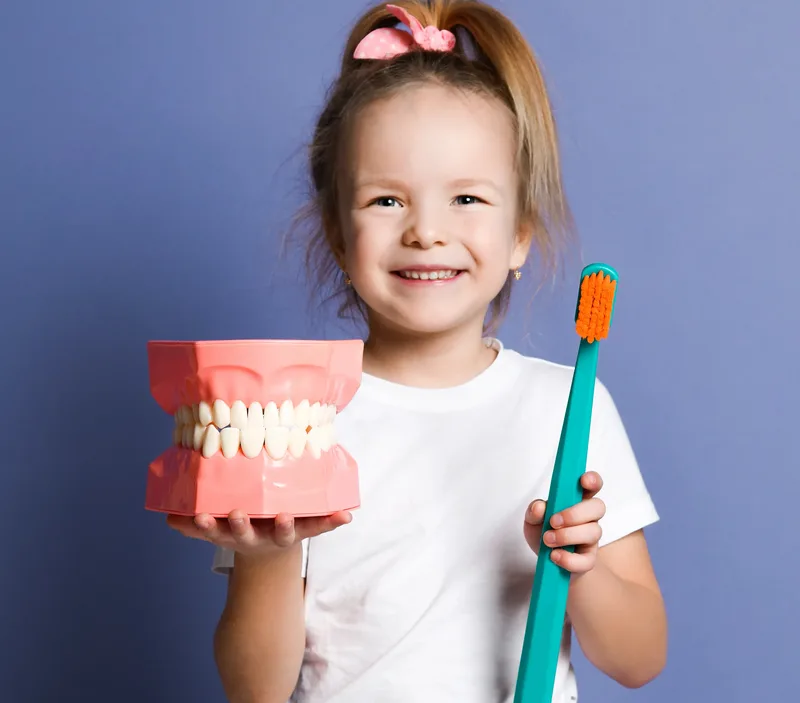
At Happy Children Pediatric Dentistry, pediatric fluoride treatment strengthens developing enamel and lowers the risk of tooth decay for infants, children, and teens. This guide explains what topical fluoride is, how it works, key benefits, safety, and what families can expect during a quick visit.
Pediatric Fluoride Treatment Explained
Fluoride is a natural mineral that binds with tooth enamel to make it more resistant to acid attacks from plaque bacteria and sugars. In a dental office, children receive topical fluoride as a varnish, gel, or foam placed directly on the teeth. Many practices prefer varnish because it adheres well, sets quickly, and limits swallowing. If you have wondered “What is fluoride varnish for kids?” or “How does fluoride treatment work?”, the answer is simple: it helps rebuild weak spots in enamel and protects against future cavities.
Topical fluoride is different from the fluoride found in drinking water or supplements, which works from the inside. Office treatments work on the outside surface of teeth and can be safely used alongside fluoridated water and fluoride toothpaste.
Benefits of Pediatric Fluoride Treatment
- Helps prevent cavities by hardening enamel against acid.
- Supports remineralization of early white-spot lesions.
- Offers added protection for braces, dry mouth, or higher cavity risk.
- Works with daily brushing, flossing, and fluoridated water.
- Provides a quick, painless application with no injections.
- Reduces risk of discomfort and emergencies related to decay.
How Fluoride Treatment Works
The visit usually begins with a quick check of the teeth and gums. After teeth are cleaned or dried, a small amount of fluoride varnish, gel, or foam is brushed or placed onto all surfaces of the teeth. Varnish sets on contact with saliva, which means children can close their mouth right away. The entire application often takes just a few minutes.
How often should kids get fluoride treatments? Many children benefit from applications every three to six months, depending on age, diet, oral hygiene, and cavity history. A child at low risk may need fluoride once or twice a year, while a higher-risk child may need it more often. Your child’s interval is tailored at each checkup.
What to Expect Before and After the Visit
- Most appointments are brief, and treatment is comfortable.
- Varnish may leave a temporary dull or sticky feeling on teeth.
- Children can drink water right away but should avoid hot, hard, or sticky foods for several hours.
- Brushing is usually delayed for 4–6 hours; resume later the same day unless told otherwise.
- No shots or drilling are involved; many children say the taste is mild.
Safety and At-Home Fluoride Use
Topical fluoride is safe when used as directed. The amount applied is small and designed to minimize swallowing. If you are asking “Is fluoride safe for kids?”, current guidance supports its use for cavity prevention, especially in areas where decay risk is higher.
At home, use fluoride toothpaste in age-appropriate amounts to prevent fluorosis while gaining protection:
- For children under 3: use a smear the size of a grain of rice.
- For ages 3–6: use a pea-sized amount and supervise brushing.
- Encourage spitting and avoid rinsing with lots of water so some fluoride stays on teeth.
Curious about topical fluoride vs toothpaste? Professional varnish delivers a concentrated dose that clings to enamel longer than regular toothpaste, offering an added layer of protection between visits.
For questions or to schedule a visit with our pediatric dentist, contact Happy Children Pediatric Dentistry at 770-541-9131. You may schedule with Dr. Jina Yoo and associates.
Frequently Asked Questions About Pediatric Fluoride Treatment
Request an Appointment
Connect With Happy Children Pediatric Dentistry
We make every visit comfortable and convenient. Send us a message and our team will get back to you shortly to confirm details and answer your questions.