



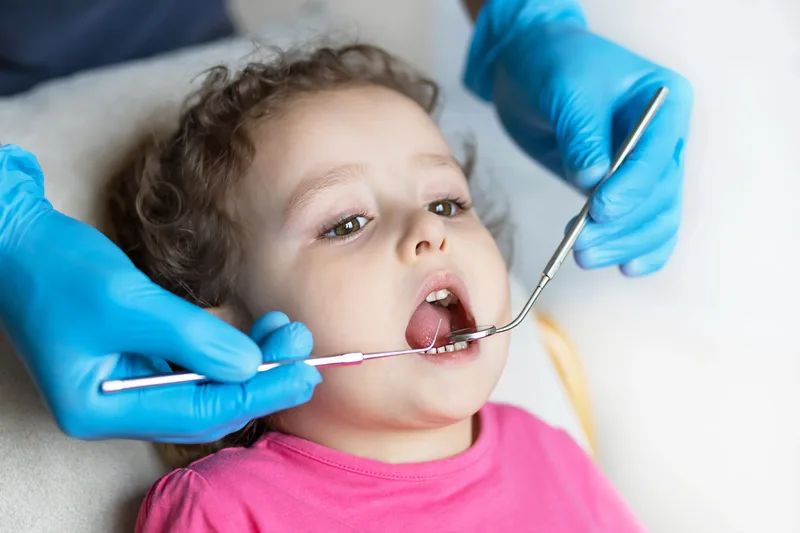
At Happy Children Pediatric Dentistry, pediatric dental sealants help protect growing smiles by shielding the deep grooves of molars from cavities. This page explains what sealants are, how they work, the benefits for children, and what to expect during a quick visit.
Pediatric Dental Sealants Explained
Dental sealants are thin, protective coatings painted onto the chewing surfaces of back teeth. These grooves are where food and bacteria lodge most easily, making them common sites for decay in children. By creating a smooth, sealed surface, the coating keeps acids and plaque away from enamel and makes the tooth easier to keep clean.
Sealants are most often placed on the first and second permanent molars soon after they erupt, typically around ages 6 and 12. In some cases, baby molars with deep grooves or a higher cavity risk may also benefit. Parents often search for “what are dental sealants for kids” and “how do dental sealants work” because the process is simple and painless. The material bonds to enamel and can last for years with good home care and routine dental checkups.
Benefits of Pediatric Dental Sealants
- Reduces the risk of cavities in hard-to-brush pits and fissures.
- Creates a smoother surface that is easier to clean each day.
- Requires no shots or drilling, and is comfortable for children.
- Helps preserve natural tooth structure by preventing decay.
- Provides durable protection that can be touched up if needed.
Families often ask about the “benefits of dental sealants,” and the biggest advantage is targeted protection on the chewing surfaces where most childhood cavities start. Sealants work alongside fluoride, brushing, and flossing for well-rounded prevention.
The Pediatric Sealant Process
The procedure is quick and child-friendly. No numbing is required.
- Teeth are cleaned to remove plaque and debris.
- A gentle etching gel prepares the enamel for bonding.
- The tooth is rinsed and dried to keep the surface clean.
- The liquid sealant is brushed onto the grooves.
- A special light hardens the material within seconds.
- The bite is checked, and any excess is smoothed.
From start to finish, placing sealants on several molars often takes only minutes. Many parents search “are dental sealants safe,” and the answer is yes. Sealant materials have been widely used in pediatric dentistry and are monitored for safety and effectiveness.
What to Expect After Placement
Children can usually eat soon after the visit. Very sticky foods may be best avoided for the first day to protect the edges. The tooth will feel smooth, and it is normal for a child to notice a slight change in how their bite feels for a day or two.
How long do sealants last? With regular brushing, flossing, and six‑month checkups, sealants often protect for three to five years or longer. At routine visits, our pediatric dentist will examine each sealant and recommend repair or reapplication if any area becomes worn or chipped.
Who Is a Good Candidate?
Children with newly erupted first or second permanent molars are ideal candidates. Kids with deep grooves, a history of cavities, or difficulty brushing molars may benefit most. Sealants do not replace fluoride; they complement it by guarding the exact spots where toothbrush bristles and fluoride can be less effective. Parents comparing “sealants vs fluoride” can think of sealants as a shield and fluoride as a strengthener for the whole tooth.
For questions about pediatric dental sealants in Atlanta, GA, contact Happy Children Pediatric Dentistry at 770-541-9131 to schedule a visit with our pediatric dentist, Dr. Jina Yoo and associates.
Frequently Asked Questions About Pediatric Dental Sealants
Request an Appointment
Connect With Happy Children Pediatric Dentistry
We make every visit comfortable and convenient. Send us a message and our team will get back to you shortly to confirm details and answer your questions.